
How to Assess Fleece Clothing Before You Buy
Look at fabric information, finishing and practical fit rather than softness alone.
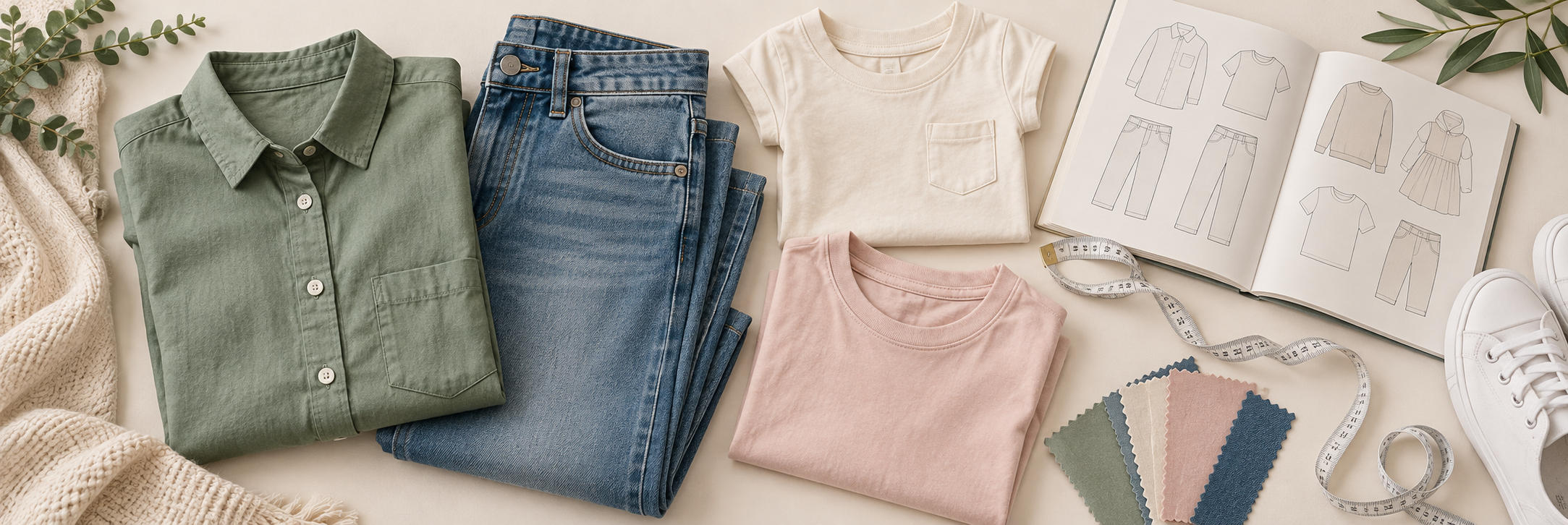
A soft-looking fleece surface can be appealing, but it is only one part of a garment. Before buying, check what the seller actually tells you about the fabric, how the piece is finished and whether the cut suits you. A brand name or the word “premium” is not a substitute for those details.
Start with the product description
Look for composition, the inside-fabric description and any available weight information. Fleece is used for different textile constructions and blends, so do not assume every fleece item feels or behaves the same. CottonWorks presents fleece and French terry as distinct knit options; an individual garment still needs its own specification.
Inspect the finishing
In person, look at seams, hems, cuffs and fastenings. Check for loose stitching, visibly uneven joins, damaged zips or areas that differ unexpectedly from the description. Online, use close-up photographs and ask about anything that looks unclear. These checks can reveal visible concerns, but they cannot prove long-term performance.
Separate softness from suitability
Consider how you will wear the garment. A very bulky layer may be inconvenient under a fitted jacket, while a lighter-feeling piece may not meet your personal preference for a winter layer. Ordinary casual fleece should not be assumed to provide waterproofing or specialist outdoor protection.
Compare practical measurements
- Chest width and body length for tops.
- Sleeve length and cuff shape.
- Relaxed waistband, rise and length for trousers.
- Enough room for the clothing you expect to wear underneath.
Read care information before checkout
Choose a care routine you can follow. Ask about missing instructions rather than using the same washing and drying settings for every fabric. Review current exchange terms if you are trying an unfamiliar cut or texture.
Explore QC's hoodie and sweatshirt guide and the GSM explanation for a fuller product comparison.
Fabric background: CottonWorks Digital Cotton Basics.
A fleece close-up raises a quality question
A shopper sees a brushed inside surface but cannot judge the whole garment’s condition, measurements or care needs from that image.
| Record | What to compare or ask |
|---|---|
| Surface | Request useful inside and outside views. |
| Construction | Inspect seams, cuffs and any specific concern. |
| Item record | Read actual composition, dimensions and care information. |
What this example helps you decide
Assess several observable features without claiming a laboratory result. A dense-looking surface or branded label alone cannot establish anti-pilling performance, lifespan or a warmth rating.
For an item enquiry, include the QC code, selected size and the specific detail you need clarified. Keep an observation separate from an assumption, and retain any relevant photographs with your order record.