
Export-Quality Garment Claims: What Shoppers Can Verify
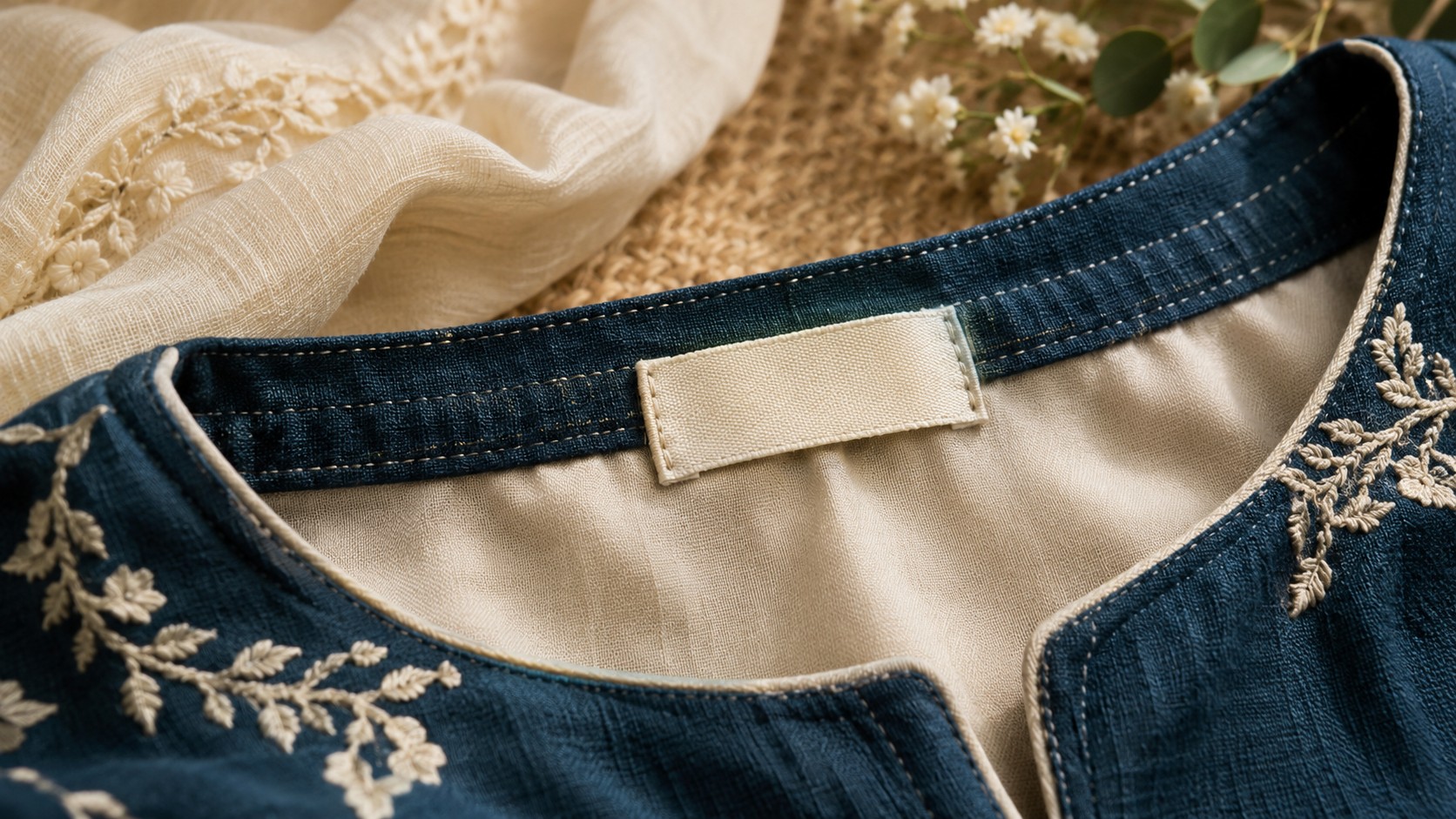
A practical clothing guide from Qurat Clothing
No single label, soft fabric, neat seam or familiar logo can prove a garment's brand provenance. Use the seller's specific product information, actual condition and measurements to decide whether an item suits you. Keep those useful buying checks separate from an unsupported authenticity guarantee.
Ask what is known about the particular item
Export surplus or leftover describes a stock context. It does not by itself establish why a particular piece became surplus, whether it has a defect or whether a brand has authorised the retailer. Ask Qurat Clothing about a claim that matters to your decision and keep the answer tied to the actual product code.
If documentary provenance is required for your purchase, ask what evidence is available. A photographed brand label or export-market size sticker is an observation, not a complete supply-chain record. Do not infer a partnership or certification from a familiar name.
Inspect composition and condition
Read the fabric details and available label photographs. Softness is a personal observation, not proof of a brand or export grade. Cotton, fleece and terry descriptions do not establish a universal quality level. Our fabric-label guide helps separate fibre, construction and care.
Inspect visible seams, fastenings, print placement and any disclosed fault. Neat finishing is useful to observe, but an uneven seam does not establish that an item is a replica, and a clean seam does not prove authenticity. Condition needs its own assessment.
Compare actual fit rather than relying on an export label
EU, UK, age and letter labels can differ across ranges. Compare the selected garment with a comfortable reference using the same tape points. An international-looking size sticker does not guarantee standard dimensions or comfortable fit.
Our size-difference guide explains how to keep label information separate from measurement evidence. Ask for missing dimensions before checkout rather than buying around a presumed export-size standard.
Understand a disclosed minor defect
If the listing identifies a defect, ask what it is, where it sits and whether a clear photograph is available. Do not assume every surplus item is defective or that every disclosed defect is cosmetic. A possible repair needs an assessment, not a guaranteed saving.
Use the minor-defect buying guide to compare condition, fit and purchase terms. Read the current return policy, including eligibility and exclusions, before deciding.
Make a decision supported by the listing
Browse current boys', girls', men's and women's clothing. Keep product code, selected size, measurements, condition notes and unresolved questions together. Choose when the actual item meets your needs and its claims are sufficiently clear for your purchase. Do not treat an appearance checklist as a certificate of origin.
A product-evidence record you can keep
| Record | Your item-specific note |
|---|---|
| Identity | QC product code and selected variant. |
| Observed evidence | Visible label, condition, measurements or construction photographs. |
| Seller statement | The exact item claim you asked about and its supporting information. |
| Still unknown | A question that remains unresolved before purchase. |
For example, a readable label identifies what is printed on the garment. If your purchase requires a documented sourcing claim, keep that requirement separate and ask what evidence can be provided. Our inside-seam photograph guide explains why finishing is an observation rather than a certificate of origin, while the inspection guide describes Qurat Clothing's published garment checks.
Explore Qurat Clothing
Browse Qurat Clothing for current family apparel. Compare the selected item’s photographs, available sizes, measurements and condition notes, and use its actual care information when planning wear or upkeep.
Comments
Be the first to comment.