
Export Leftover vs Local Clothing: What to Compare
Compare export leftover and locally marketed clothing by fit, fabric, condition, availability and total cost. Use item details to make a practical choice.
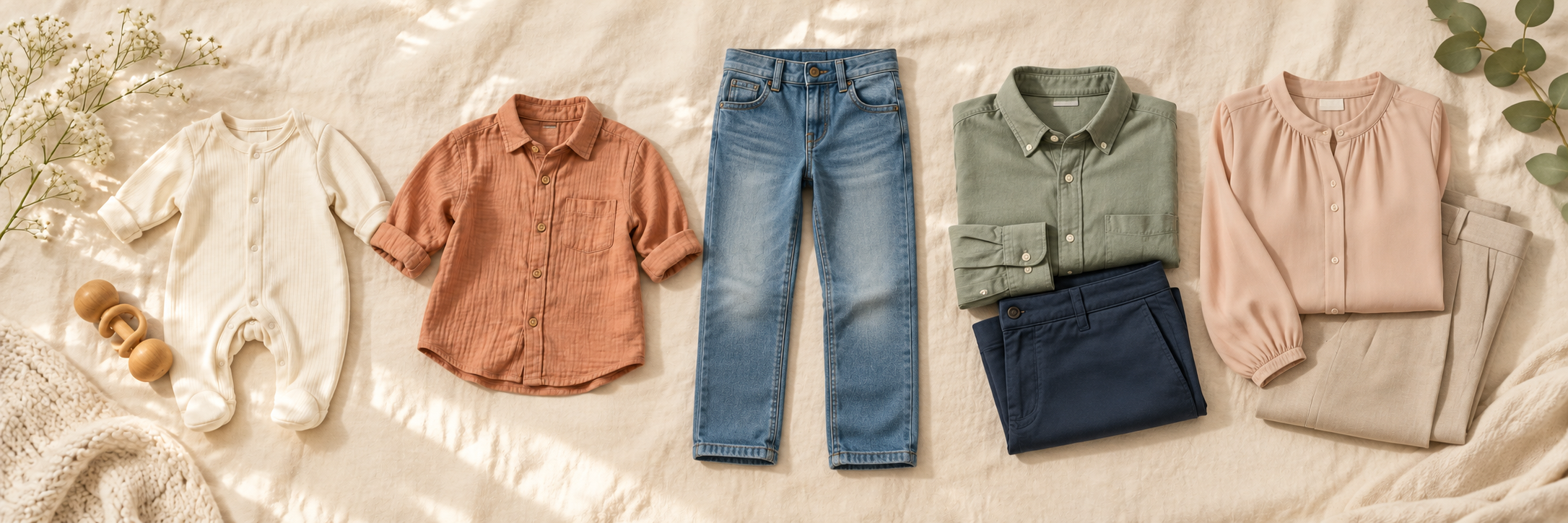
“Export surplus” and “local clothing” describe different aspects of how clothes reach shoppers, but they are not automatic quality rankings. An export-surplus item may also have been manufactured locally. The useful comparison is between the actual garments you are considering.
Clarify what the description means
In everyday retail language, export-surplus or leftover stock generally refers to clothing made for export orders that becomes available outside the original shipment. Sellers may use these terms differently. Ask about the item's condition and description rather than assuming every piece has the same history.
“Local” may mean locally made, sold under a Pakistani label or intended for the domestic market. Those are not identical claims. Country of manufacture, sales channel and brand are separate details.
Use the same comparison checklist
- Fit: compare actual garment measurements using the same method.
- Fabric: read composition, lining and care information.
- Condition: check the item description and photographs for disclosed differences.
- Availability: confirm the specific size and colour you want.
- Total cost: include delivery and any likely alteration.
- After purchase: read current exchange terms before ordering.
Do not let the category replace the evidence
A label cannot tell you whether a waistband will feel comfortable or whether the sleeves are too long. Likewise, a higher price is not proof of a better fit. Choose according to your routine and the information available for that particular piece.
Think about repeat purchases
If matching replacements or complete size runs matter to you, ask about availability instead of assuming a style will return. For a one-off useful find, compare how it works with clothes already owned.
Make the final choice practical
Write down the two or three details that matter most, then compare both options against them. If an essential answer is missing, ask before buying.
Explore QC's family clothing guide and the trouser measurement checklist for a product-focused comparison.
A fair two-item comparison
Write down the two actual garments you are considering. Keep manufacture, brand and sales channel in separate columns: an export-surplus item may also have been manufactured in Pakistan. Compare the dimensions of the selected sizes, the stated composition, disclosed condition, available quantity and complete purchase cost.
| Question | Evidence to record for each item |
|---|---|
| Will it fit the intended routine? | Reference garment, matching tape points and intended layering. |
| What am I buying? | Product code, exact variant, verified fabric and condition. |
| What will it cost? | Selected-size price, quantity, delivery and any planned alteration. |
Is either channel always better?
No. A category label does not establish a garment’s fit or quality. Choose using the evidence for the specific item, and ask about an important missing detail before paying.
Use the export-surplus explanation, measurement guide and current delivery and return conditions alongside your comparison.